- Jovan Esa Putra (05.703.31.0204)
- Steven (05.703.31.0210)
- Fenny Chandra (05.703.31.0071)
- Fandy Chandra (05.703.31.0197)
- Stephany Andreana (05.703.31.0090)
Rabu, 21 Mei 2008
Group Member (Blog Project)

Sony Ericsson T303 review: Small is beautiful
A sexy minimalist slider, Sony Ericsson T303 gives the low-end a new edge with looks and construction well above its rank. Even if not a full-house in terms of skill and style, the basic multimedia coverage and solid feel in hand are well worth it. The FM radio with RDS, MP3 player and the 1.3 megapixel camera make sure the T303 will be kept busy. After all, many will likely find it too sexy for a call-and-text device only. The smooth sliding, the sharp chrome-highlighted exterior and the diminutive size are still the undoubted winners when it comes to the attraction of Sony Ericsson T303. Way beyond any of the features it offers.
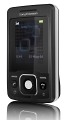
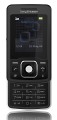
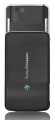
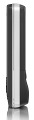
Sony Ericsson T303 Shadow Black official photos
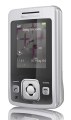
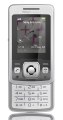
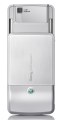
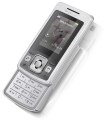
Sony Ericsson T303 Shimmering Silver official photos
Key features
- Very compact, sturdy build
- Smooth sliding mechanism
- FM radio with RDS
- MP3 player, TrackID music recognition
- Bluetooth v2.0
- 1.3 MP camera
- 1.8" 65K-color TFT display, 128 x 160 pixels
- 500 phonebook entries, photocall
Main disadvantages
- Meager 8MB of built-in memory, no memory card slot
- Poor screen quality
- USB for charging and mass storage only
- No zoom in picture gallery
- No A2DP Bluetooth profile


Sony Ericsson T303 views
Sony Ericsson T303 is definitely a phone for those who don't want to give too much thought to what pocket to put it in. With its dimensions of 83 x 47 x 14.7 mm it will fit even in the smallest of pockets. There are virtually a handful of phones currently on the market to come close to T303 in terms of compact size.


T303 next to iPhone and Samsung D880 Duos
Its excellent build quality and solid feel in hand are strong advantages, considering how low-end phones usually suffer in both design and quality of materials used.
Samsung D880 Duos review: Pure-bred dual SIM
Armed with solid design and the Samsung quality of build, the Samsung D880 Duos is two phones in one . It offers seamless dual SIM functionality with almost no compromise. Backed by a 3 megapixel autofocus camera and a large 2.3" QVGA TFT display, the Samsung D880 Duos is an intriguing package, truly worth closer examination. So, hop on as we head to explore the dual nature of Samsung Duos.


Samsung D880 official photos
Key features:
- Seamless dual SIM functionality (both cards are active simultaneously)
- 3 megapixel autofocus camera with good image quality
- 2.3" 262K-color TFT display (QVGA resolution)
- microSD memory card slot
- FM radio
- Bluetooth with A2DP
- TV out
- MS Office document viewer
- Quick interface response
- Large capacity battery
- Comfortable keyboard and controls
Main disadvantages:
- Secondary SIM can be used for telephony and messaging only
- Secondary SIM has dual-band support only (no 1900 MHz support)
- Large size
- Boring slider design
- Interface options well behind the times
- Poor sunlight legibility
- No 3G support
- Portrait-oriented camera
- Poor web browser
- Awkward file browser
- Poor music player
Using two SIM cards in one phone is increasingly becoming an option many are willing to consider. Using both a personal and a business number with one single handset, saving some money by combining two different plans or network carriers, or regularly using local prepaid cards on business trips - to name just a few reasons why one should be interested in a dual-SIM mobile.
The initial high price tag of Samsung D880 Duos seemed rather unjustified. It really manages to replace two handsets, but it didn't seem fair for it to cost well over their combined price. Now that the price tag is more acceptable, we look at the possibilities it offers people who often carry - and are forced to use - two or more handsets.
The Samsung D880 Duos is not the first dual SIM handset on the market. Various Chinese manufacturers have been working hard in that traditionally unexplored area. We even did an article on various dual SIM solutions back in August last year to help you get started with the various options.
In the mean time, major mobile phone manufacturers seemed disinterested or were simply trying to avoid potential pressure from the telecoms, which are their main clients after all.
Samsung were first among the majors to announce a dual SIM handset in October 2007 - the D880 Duos. Rather recently Samsung announced the next of kin - Samsung D780 and are planning to expand the lineup even further in 2008.


Samsung D880 Duos photos
We will talk more about the dual SIM functionality in the dedicated chapter of our review. If we've got you interested by now, hit the jump for our detailed review of Samsung D880.
LG KF510 review: Shinier than Shine
It is quite obvious that sleek looks and youthful appeal are very high on the LG list of priorities recently. Just as we gave you the flamboyant LG KF600, LG KF510 makes us wonder how much sweeter Chocolate can get. Undoubtedly of the same bloodline, the two handsets take a different approach to full touch navigation with InteractPad and Touch Lighting. The rest of the ammo is basically the same. The really sleek metallic finish and bigger 2.2" display (no InteractPad to shrink the screen) are the LG KF510 major assets. The ultra slim slider has the looks and handling to get us exited, so let's get rolling.


LG KF510 official photos
Key features:
- Great design and slim body
- Touchpad navigation
- 2.2" 262K-color TFT display of QVGA resolution
- 3 megapixel camera with autofocus
- microSD card slot with hot-swap
- USB v2.0 and Bluetooth v2.0 with A2DP
- FM radio
- Good web browser
Main disadvantages:
- No 3G support
- Tri-band only
- Poor file management
- Video recording maxes out at QVGA resolution
- Inadequate display legibility in direct sunlight
Touchpad navigation just for the sake of having it runs a serious risk of failure. LG sure did know that and they seem to have a good enough background to step on. Plus, the steady improvements of user interface are a more than welcome effort. Nice and easy handling is notably gaining momentum with LG devices and the KF510 is surely another small step forward.


LG KF510
Once again we reminisce of the Samsung E950 and comparison is not in its favor. Of course, it offers a touch-sensitive mini display, along the lines of the InteractPad, but is still a good enough reference point. The smallish navigation display of the Samsung is not capable of offering much more options than the touchpad of LG KF510. In addition, the KF510 touchpad has some interesting animations and interactions with the interface, which partially make up for the lack of a full color navigation display. It's fair to say that in terms of navigation, LG KF510 comes within reach of Samsung U900 Soul. And that's a downright compliment. The Soul is a high ball with HSDPA and a 5 megapixel shooter.
LG KF600 should also be considered here as a touch-based navigation peer. Save for the InteractPad, which is much more "interactive" than the touchpad, all the rest of their specs are very similar (if not the same). Both handsets seem to cater to a similar audience.


LG KF510 in its full shine
Now, one last thing before we're finished with the intro. The LG KF510 unit we got to review was still a beta version and, although major changes are unlikely so close to release, some tweaks might be expected in the retail version. We will be back after the jump.
LG KF510 review: Shinier than Shine
It is quite obvious that sleek looks and youthful appeal are very high on the LG list of priorities recently. Just as we gave you the flamboyant LG KF600, LG KF510 makes us wonder how much sweeter Chocolate can get. Undoubtedly of the same bloodline, the two handsets take a different approach to full touch navigation with InteractPad and Touch Lighting. The rest of the ammo is basically the same. The really sleek metallic finish and bigger 2.2" display (no InteractPad to shrink the screen) are the LG KF510 major assets. The ultra slim slider has the looks and handling to get us exited, so let's get rolling.
LG KF510 official photos
Key features:
- Great design and slim body
- Touchpad navigation
- 2.2" 262K-color TFT display of QVGA resolution
- 3 megapixel camera with autofocus
- microSD card slot with hot-swap
- USB v2.0 and Bluetooth v2.0 with A2DP
- FM radio
- Good web browser
Main disadvantages:
- No 3G support
- Tri-band only
- Poor file management
- Video recording maxes out at QVGA resolution
- Inadequate display legibility in direct sunlight
Touchpad navigation just for the sake of having it runs a serious risk of failure. LG sure did know that and they seem to have a good enough background to step on. Plus, the steady improvements of user interface are a more than welcome effort. Nice and easy handling is notably gaining momentum with LG devices and the KF510 is surely another small step forward.
LG KF510
Once again we reminisce of the Samsung E950 and comparison is not in its favor. Of course, it offers a touch-sensitive mini display, along the lines of the InteractPad, but is still a good enough reference point. The smallish navigation display of the Samsung is not capable of offering much more options than the touchpad of LG KF510. In addition, the KF510 touchpad has some interesting animations and interactions with the interface, which partially make up for the lack of a full color navigation display. It's fair to say that in terms of navigation, LG KF510 comes within reach of Samsung U900 Soul. And that's a downright compliment. The Soul is a high ball with HSDPA and a 5 megapixel shooter.
LG KF600 should also be considered here as a touch-based navigation peer. Save for the InteractPad, which is much more "interactive" than the touchpad, all the rest of their specs are very similar (if not the same). Both handsets seem to cater to a similar audience.
LG KF510 in its full shine
Now, one last thing before we're finished with the intro. The LG KF510 unit we got to review was still a beta version and, although major changes are unlikely so close to release, some tweaks might be expected in the retail version. We will be back after the jump.
BlackBerry Bold 9000
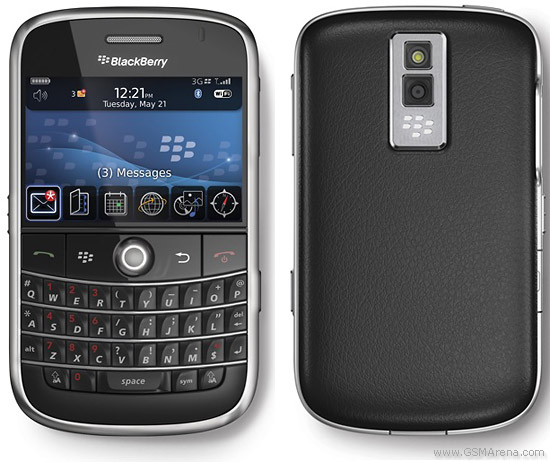
| General | 2G Network | GSM 850 / 900 / 1800 / 1900 |
|---|---|---|
| 3G Network | HSDPA 850 / 1900 / 2100 | |
| Announced | 2008, May | |
| Status | Coming soon |
| Size | Dimensions | 114 x 66 x 14 mm |
|---|---|---|
| Weight | 133 g |
| Display | Type | 65K colors |
|---|---|---|
| Size | 480 x 320 pixels | |
| - Full QWERTY keyboard - Trackball navigation - Wallpapers |
| Ringtones | Type | Polyphonic, MP3 |
|---|---|---|
| Customization | Download | |
| Vibration | Yes | |
| - 3.5 mm stereo headset jack |
| Memory | Phonebook | Yes, Photocall |
|---|---|---|
| Call records | Yes | |
| Card slot | microSD (TransFlash), microSDHC, up to 8 GB | |
| - 128 MB flash memory - 1 GB storage memory - 624 MHz processor |
| Data | GPRS | Class 10 (4+1/3+2 slots), 32 - 48 kbps |
|---|---|---|
| HSCSD | No | |
| EDGE | Class 10, 236.8 kbps | |
| 3G | HSDPA, 3.6 Mbps | |
| WLAN | Wi-Fi 802.11 a/b/g | |
| Bluetooth | Yes, v2.0 with A2DP | |
| Infrared port | No | |
| USB | Yes, v2.0 |
| Features | OS | BlackBerry OS |
|---|---|---|
| Messaging | SMS, MMS, Email, Instant Messaging | |
| Browser | HTML | |
| Games | Yes + downloadable | |
| Colors | Black | |
| Camera | 2 MP, 1600x1200 pixels, video, flash | |
| - Built-in GPS - BlackBerry maps - DataViz document viewer/editor - Java - Media player MP3/WMA/AAC+ - Video player DivX/WMV/XviD/3gp - Organizer - Calculator - Voice dial - Built-in handsfree - Voice memo |
| Battery | Standard battery, Li-Ion 1500 mAh | |
|---|---|---|
| Stand-by | Up to 310 h | |
| Talk time | Up to 5 h |
HTC Touch Diamond
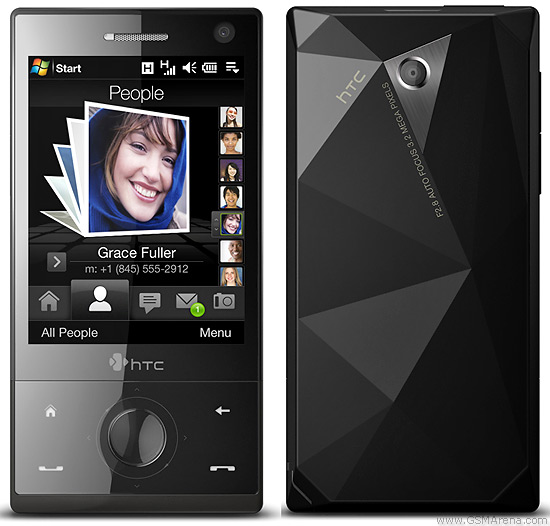
| General | 2G Network | GSM 900 / 1800 / 1900 for Europe/Asia |
|---|---|---|
| GSM 850 / 1800 / 1900 for Americas | ||
| 3G Network | HSDPA 2100 / 900 for Europe/Asia | |
| HSDPA 850 / 1900 for Americas | ||
| Announced | 2008, May | |
| Status | Coming soon. Exp. release 2008, 2Q |
| Size | Dimensions | 102 x 51 x 11.5 mm |
|---|---|---|
| Weight | 110 g |
| Display | Type | TFT touchscreen, 65K colors |
|---|---|---|
| Size | 480 x 640 pixels, 2.8 inches | |
| - TouchFLO 3D finger swipe navigation - Accelerometer sensor for auto-rotate - Touch-sensitive navigation control - Handwriting recognition |
| Ringtones | Type | Polyphonic (40 channels), MP3, WAV, WMA |
|---|---|---|
| Customization | Download | |
| Vibration | Yes |
| Memory | Phonebook | Practically unlimited entries and fields, Photocall |
|---|---|---|
| Call records | Practically unlimited | |
| Card slot | No | |
| - 4 GB user available memory - 192 MB DDR SDRAM, 256 MB ROM - Qualcomm MSM7201A 528 Mhz processor |
| Data | GPRS | Class 10 (4+1/3+2 slots), 32 - 48 kbps |
|---|---|---|
| HSCSD | No | |
| EDGE | Class 10, 236.8 kbps | |
| 3G | HSDPA, 7.2 Mbps | |
| WLAN | Wi-Fi 802.11 b/g | |
| Bluetooth | Yes, v2.0 with A2DP | |
| Infrared port | No | |
| USB | Yes, miniUSB |
| Features | OS | Microsoft Windows Mobile 6.1 Professional |
|---|---|---|
| Messaging | SMS, MMS, Email, Instant Messaging | |
| Browser | WAP 2.0/xHTML, HTML | |
| Games | Yes | |
| Colors | Black | |
| Camera | 3.15 MP, 2048x1536 pixels, autofocus, video; secondary VGA videocall camera | |
| - Built-in GPS with A-GPS - Stereo FM radio with RDS - Pocket Office(Word, Excel, Outlook, PDF viewer) - Java MIDP 2.0 - Voice memo - MP3 player - Built-in handsfree |
| Battery | Standard battery, Li-Ion 900 mAh | |
|---|---|---|
| Stand-by | Up to 285 h | |
| Talk time | Up to 5 h 30 min |


Langganan:
Postingan (Atom)


